

FAQs: Accessibility Audit Methodology
Understand project arrangements, testing coverage and support before requesting your quote.
Understand our manual audit process, from agreed scope and manual testing to clear findings and support to verify fixes. Request a tailored quote.
We start with your priorities, audience and deadlines, then agree coverage, deliverables and a practical schedule. Website audits can cover a single page, your top 10 user journeys or your full website; document and app audits are tailored too.
Before giving you a quote, we agree formats, environments, standards, sampling, access needs and dependencies. Your quote records the agreed scope, so both teams know exactly what is covered and what could affect delivery.
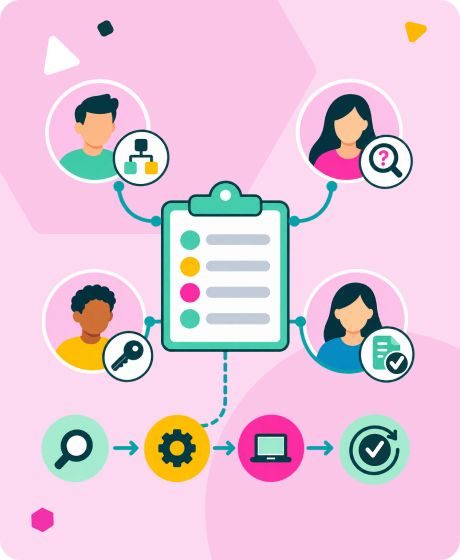
At project initiation, we agree your points of contact for coordination, audit questions and fix retesting. We also confirm who in your team can arrange access, answer questions and approve changes to scope.
This gives everyone a clear route for decisions and technical discussion, from the first testing questions to the final retest.
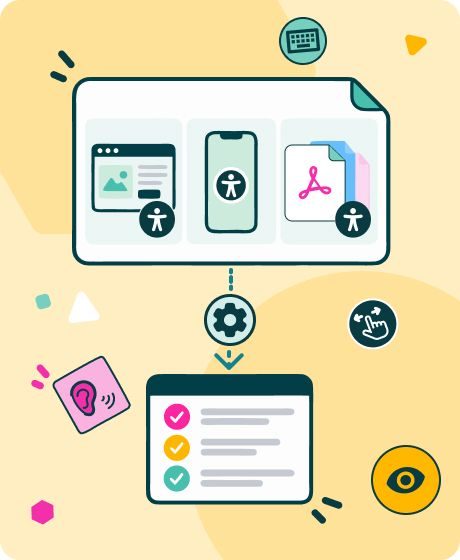
Our focus is expert manual testing, using the assistive technologies appropriate to each format. Website audits use NVDA, JAWS and operating-system screen readers, supported by automated checks. Mobile audits use VoiceOver on iOS and TalkBack on Android, with supporting checks where appropriate. PDF and document audits use manual review and screen-reader testing, with no automated document audit tools. We agree environments and additional coverage for each project.
We test to WCAG 2.2 AAA or your preferred compliance standard and agree any format-specific or jurisdictional requirements before testing.
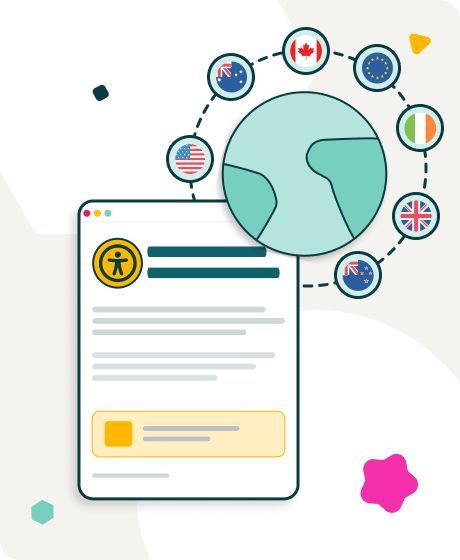
Depending on the organisation, service and markets, scope can include the European Accessibility Act, EU and Irish public-sector requirements, US ADA and Section 508 requirements, Canadian federal or provincial requirements, UK accessibility legislation, Australia’s Disability Discrimination Act 1992 and applicable New Zealand requirements.
We map findings to the agreed scope without presenting an audit as a legal guarantee.
We present your findings, explain priorities and answer questions so your team understands what to address and why.
Understand the main barriers, their impact and the priorities for improving accessibility across the agreed scope.
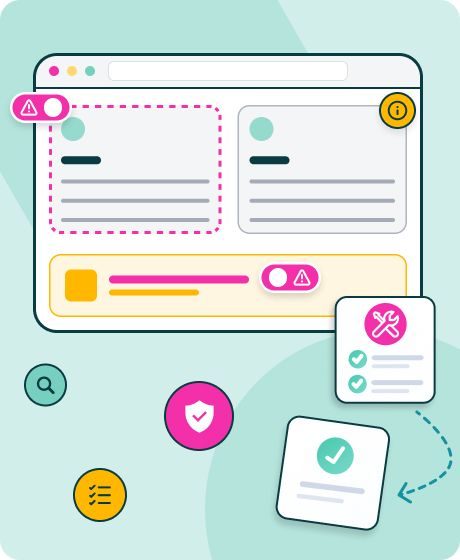
See where each issue occurs, the relevant criteria, severity, evidence and practical recommendations to help your team make changes.
Send us your fixes to audited issues for retesting during the three months from report presentation, helping your team close findings.
Every audit includes three months of Nexus Inclusion Pro access and retesting of your fixes to audited issues. This three-month period starts when we present your report.
We agree how you will submit updated pages, files or app builds, then explain whether the fixes resolve the audited issues. If you continue afterwards, we offer a discount on all 12-month plans.
Understand project arrangements, testing coverage and support before requesting your quote.
We discuss your priorities, users, key tasks and content, then agree the coverage in your quote. Where a sample is appropriate, we consider different templates, interactions and complete journeys.
Website and document testing includes NVDA, JAWS and operating-system screen readers. Native mobile testing uses VoiceOver on iOS and TalkBack on Android as relevant. We agree browser, device, operating-system and document-viewer combinations for your project.
For websites and apps, we use automated tools as a starting point when it is efficient and effective to do so. Any automated checks are then rechecked manually by our team of experts. PDF and document audits use manual review and screen-reader testing, with no automated document audit tools.
Yes, unless otherwise agreed. We assess applicable A, AA and AAA criteria and explain the scope and limitations of the assessment. For documents and non-web software, applicability requires format-specific interpretation. The testing target does not mean every product can achieve AAA, or that receiving an audit establishes conformance.
We agree the requirements relevant to your organisation, service and markets. These may include US ADA and Section 508 obligations, Canadian federal or provincial requirements, Irish and EU legislation, and UK requirements. Applicable technical standards and legal baselines differ.
At project initiation, we confirm contacts for project coordination, technical questions and retesting, together with your team’s responsibilities. We agree the communication channel and update schedule, and raise questions or blockers as they arise. Your quote and project plan record timing and dependencies; communication arrangements are tailored to the engagement.
We identify the version under assessment so findings can be reproduced. If you update it during the audit, we discuss whether coverage, access or timing needs to change. Fix retesting covers the audited issues during the included period; new content, features or a broader reassessment may require an updated scope.
The audit provides findings and recommendations. For PDFs and documents, remediation can be included in your quote alongside the audit. Website or app implementation is not included unless expressly agreed. Whichever route you take, fixes to audited issues can be submitted for retesting during the included three months.
For three months after we present your audit, you will have access to Nexus Inclusion Pro, including the retesting and monitoring tools, and support from our accessibility team. If you wish to continue ongoing accessibility monitoring, we offer a discount on all 12-month plans. Your quote sets out retesting arrangements and continuation options.
No. Expert testing with assistive technology examines accessibility requirements and task behaviour. Research with disabled participants provides another perspective on usability and lived experience. Participant research is a separate activity and would need to be expressly agreed in the project scope.
Tell us what you need assessed and what matters to your team. We will help define the scope and provide a tailored quote.